4 Harsh Realities of Moving From Pennsylvania to Ohio or WV
Taking your family or business across state lines brings a completely new level of logistical challenges to light. Moving from Pennsylvania to Ohio requires coordination that goes far beyond renting a basic truck. At EZA Movers, we tackle these mid distance routes regularly and know exactly where the hidden delays live. Many people assume an interstate trip is just a slightly longer local move, which often leads to major scheduling disasters.
Managing a longer route means dealing with strict compliance rules and unpredictable highway delays. Finding out your loaded truck violates weight restrictions can stop your progress entirely on moving day. Acknowledging the harsh realities of cross border relocations helps you prepare a reliable schedule. Trusting an experienced crew to handle the transport keeps your project moving smoothly from start to finish.
What We Cover:
- Tip #1: Distance Deceives Your Timeline
- Tip #2: Packing Standards Change Across State Lines
- Tip #3: Unloading Requires Specialized Planning
- Tip #4: Truck Access Dictates the Schedule
- Frequently Asked Questions
Tip #1: Distance Deceives Your Timeline
Mapping a route on your phone gives you the driving time for a standard passenger car. A fully loaded commercial moving truck travels at a different pace and requires mandatory safety stops. Professional drivers must adhere to strict federal regulations regarding hours of service on the road.
- Highway Speeds: Commercial moving trucks require more time to brake and accelerate safely in heavy interstate traffic.
- Mandatory Rest: Department of Transportation rules dictate exactly how many consecutive hours a driver can operate legally.
- Weigh Stations: Crossing into states like Ohio means navigating commercial weigh stations that add unexpected time to the trip.
Tip #2: Packing Standards Change Across State Lines
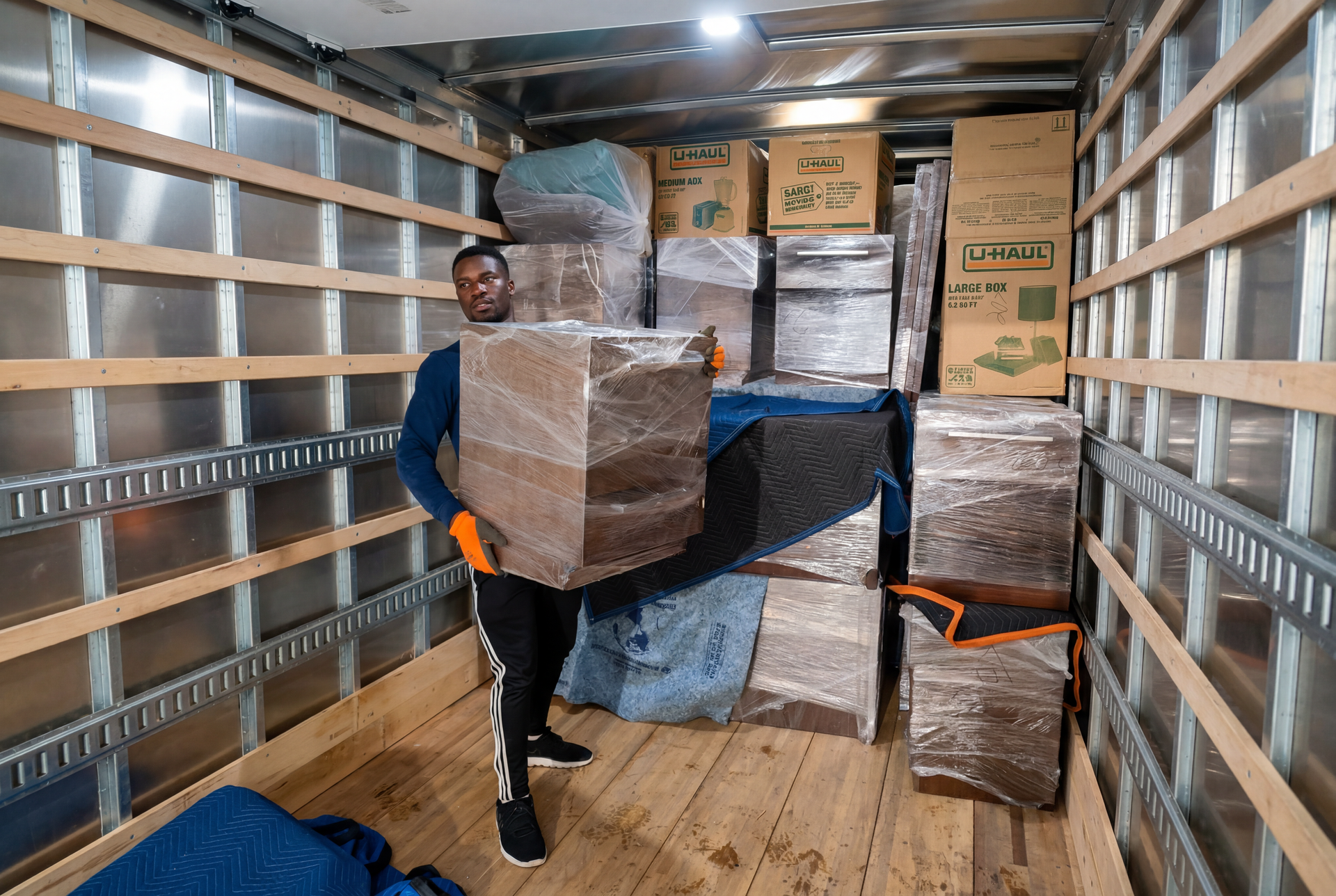
A poorly packed box might survive a ten mile drive across town without much issue. That same box will easily collapse under its own weight during a three hundred mile trip over rough pavement. Using professional packing and unpacking services ensures your belongings can withstand hours of constant highway vibration.
- Box Integrity: Corrugated cardboard loses structural strength when stacked improperly for long periods in a moving truck.
- Vibration Damage: Items traveling long distances rub together constantly and require thick layers of packing paper between every surface.
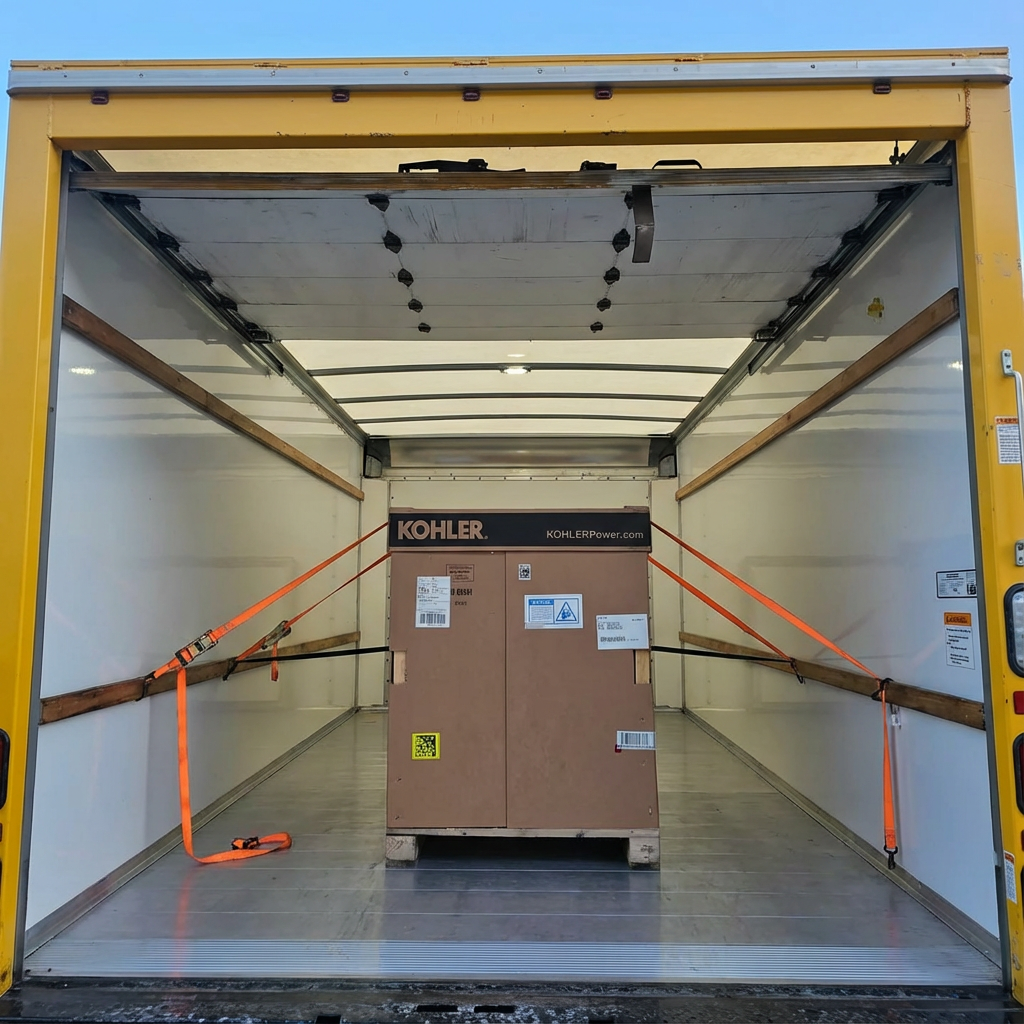
- Weight Distribution: Heavy items must be loaded securely at the bottom of the trailer to prevent load shifting during transit.
Tip #3: Unloading Requires Specialized Planning
Arriving at your new home in a different state is only the halfway point of the job. Coordinating the labor to get your heavy furniture off the truck safely takes advanced planning. Our mid distance moving services include a dedicated crew that knows how to handle the heavy lifting upon arrival.
- Property Protection: Moving blankets and floor runners must be deployed before the first heavy item comes off the trailer.
- Staging Areas: Clearing a direct path to the largest rooms prevents bottlenecks and keeps the unloading process highly efficient.
- Assembly Support: Light furniture assembly on site gets your beds put together so you can sleep comfortably on your first night.
Tip #4: Truck Access Dictates the Schedule
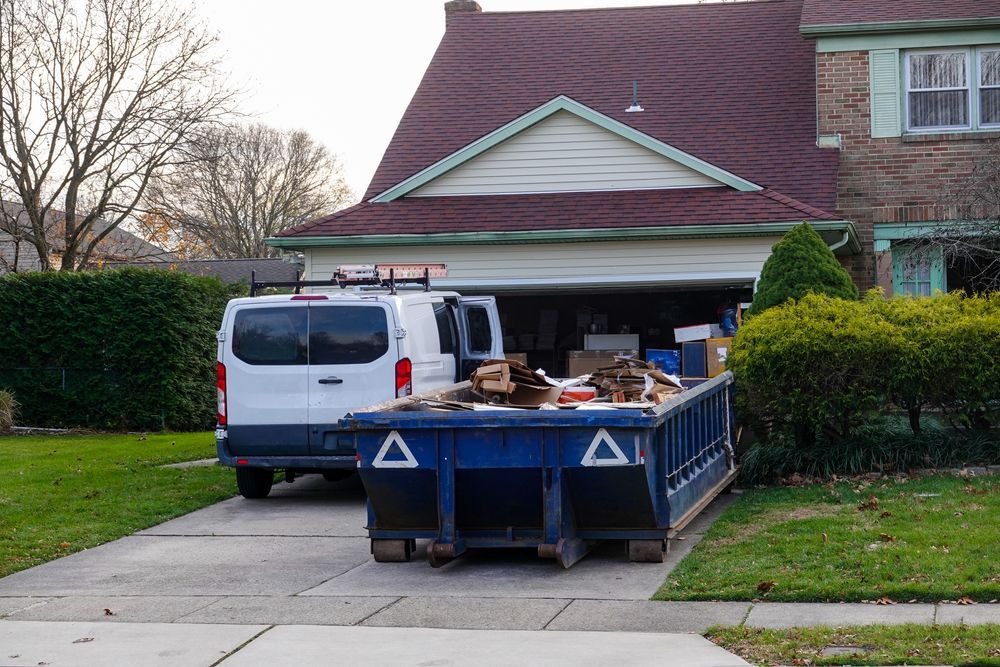
You cannot assume a massive commercial truck will fit neatly into your new residential driveway. Many older Ohio neighborhoods have strict weight limits or overhanging branches that block entry. Knowing the exact dimensions of your delivery area prevents frustrating delays when the truck finally arrives.
- Trailer Swing: A large truck requires a massive turning radius to back into a narrow street without hitting parked cars.
- Parking Permits: Some municipalities require commercial vehicles to secure temporary street parking permits well in advance of moving day.
- Overhead Clearance: Low hanging power lines and mature trees often prevent moving trucks from accessing specific driveways entirely.
Frequently Asked Questions
How long does a 300 mile move actually take?
A trip of this length typically spans two days to account for safe loading, transport, and unloading. Commercial trucks travel slower than regular cars and require time to pass through mandatory highway weigh stations. Splitting the process into a load day and a delivery day prevents the crew from working past safe physical limits. Trying to rush a long move into a single day almost always results in careless property damage.
What permits are needed for interstate moving trucks?
Moving companies must hold active United States Department of Transportation credentials to legally transport goods across state borders. They also need specific state level authority like the PUCO operating credentials required for working within Ohio. A legitimate carrier will display their DOT number directly on their trucks and provide proof of general liability insurance upon request. Operating without these permits risks having the truck impounded by authorities mid transit.
Securing Your Tri-State Relocation
Understanding how timelines actually work for an interstate move gives you the power to plan a successful transition. Booking an experienced team early ensures your belongings cross state lines in full compliance with transport regulations and safety standards. You deserve a moving partner who handles the heavy lifting while keeping you informed every step of the way. Contact our office today to get a precise quote for your upcoming relocation to Ohio or West Virginia.
Share This Blog